




318 Sichuan–Tibet Highway Convoy Self-Drive Guide: Safe Group Travel and Teamwork Tips for an Epic Tibet Road Trip
Driving the legendary 318 Sichuan–Tibet Highway is a dream for many international travelers visiting China. While solo driving can be exciting, joining a convoy road trip from Chengdu to Lhasa is often the safest, easiest, and most enjoyable way to experience the journey. Traveling with friends, family, or fellow road trip enthusiasts allows you to share driving duties, handle altitude challenges together, and enjoy unforgettable scenery as a team.
This guide covers everything foreign travelers need to know about a 318 Tibet convoy self-drive tour, including team organization, communication systems, driving coordination, emergency response, and practical Tibet road trip tips. Whether you are planning a Chengdu to Lhasa self-drive adventure, a Tibet overland expedition, or a Sichuan Tibet Highway group tour, this article will help you travel safely and smoothly.
Many international visitors choose professional local operators such as Chengdu China Travel Service for customized Tibet convoy tours, vehicle rentals, bilingual support, permits, hotels, and local logistics along the 318 National Highway.
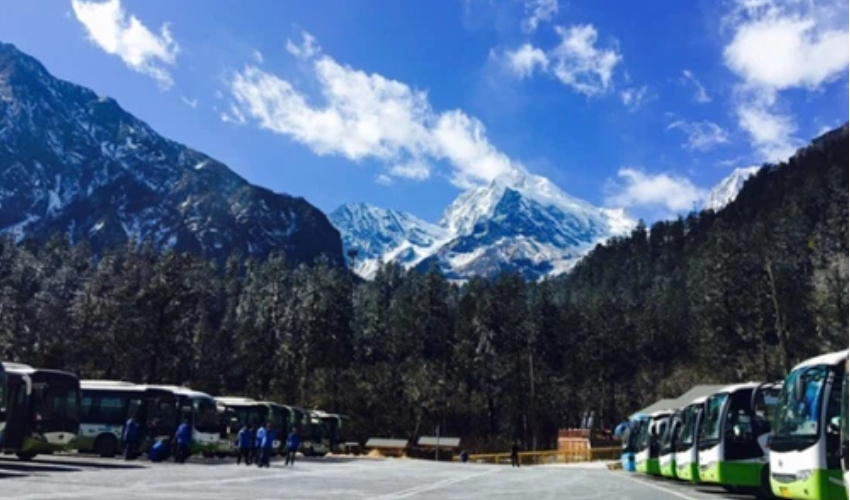
Why Choose a Convoy Road Trip on the 318 Highway?
The Sichuan–Tibet Highway crosses high mountains, remote valleys, glaciers, and Tibetan plateau regions with rapidly changing weather and high altitude conditions. Traveling in a convoy offers several major advantages:
- Safer driving in remote areas
- Shared navigation and route planning
- Faster emergency response
- Easier fuel and accommodation coordination
- More fun travel atmosphere
- Reduced fatigue through shared driving
For first-time travelers to Tibet, joining a guided self-drive Tibet convoy tour is highly recommended.
Best Convoy Size and Vehicle Setup
The ideal convoy size is usually 4–6 vehicles. More than 8 vehicles can become difficult to coordinate on narrow mountain roads.
Recommended Vehicle Types
SUVs and 4WD vehicles work best for the Tibet route because of:
- Mountain roads
- Gravel sections
- Occasional landslides
- Changing weather conditions
Try to keep vehicle types similar within the convoy. Mixing compact sedans with off-road vehicles may slow the group and create uneven driving conditions.
Driver Rotation
Each vehicle should ideally have 2–3 licensed drivers so everyone can rotate and avoid fatigue during long mountain drives.
Convoy Team Roles
A well-organized convoy runs much more smoothly. Assign clear responsibilities before departure.
Convoy Leader
The team leader handles:
- Daily route planning
- Weather and road condition checks
- Hotel coordination
- Group communication
- Emergency decisions
Lead Vehicle
The lead vehicle should be driven by the most experienced mountain driver. Responsibilities include:
- Navigation
- Speed control
- Hazard warnings
- Coordinating stops
Rear Vehicle
The last vehicle ensures no car gets left behind and assists with:
- Mechanical issues
- Emergency stops
- Communication with the lead car
Vehicle Coordinators
Each car should have one person responsible for:
- Passenger safety
- Supplies
- Radio communication
- Following convoy instructions
Communication Is Essential
Mobile signals are unreliable on many sections of the Sichuan–Tibet Highway. Walkie-talkies or vehicle radios are strongly recommended.
Radio Communication Tips
Use short, clear messages such as:
- “Sharp curve ahead”
- “Rockfall on roadside”
- “Police speed check ahead”
- “Road clear for overtaking”
Avoid casual chatting over the radio to keep emergency communication channels open.
Safe Driving Distance
Maintain approximately 50–100 meters between vehicles depending on weather and road conditions.
Never:
- Tailgate
- Overtake recklessly
- Split the convoy
- Speed through mountain roads
Driving Coordination Tips for the 318 Highway
Follow the Same Route
Stick to the planned convoy route and avoid taking unofficial shortcuts or side roads without group agreement.
Unified Rest Stops
Stop together every 2–3 hours at:
- Scenic viewpoints
- Service areas
- Gas stations
- Small towns
This helps everyone stay rested and prevents vehicles from getting separated.
Fuel Strategy
Fuel stations can be far apart in Tibet. The convoy should refuel together whenever reaching major towns.
Always keep tanks at least half full.
Accommodation Coordination
Booking hotels together saves time and reduces stress, especially during peak travel months from June to October.
Many foreign travelers book through experienced agencies like Chengdu China Travel Service for:
- Tibet travel permits
- English-speaking guides
- Convoy support vehicles
- Hotel reservations
- Oxygen supplies
- Emergency assistance
Emergency Handling on the Tibet Highway
Vehicle Breakdowns
If a vehicle breaks down:
- The rear vehicle stops immediately
- The convoy pulls over safely
- Shared tools and recovery gear are used
- The convoy leader contacts roadside assistance if needed
Useful shared equipment includes:
- Tow ropes
- Portable jump starters
- Tire inflators
- Spare fuel cans
Altitude Sickness
Altitude sickness can affect anyone, even experienced travelers.
The convoy should share:
- Oxygen bottles
- Altitude medicine
- Basic first aid supplies
If symptoms become severe, descend to a lower elevation immediately.
Landslides and Traffic Delays
Road closures are common during rainy seasons.
In these situations:
- Stay patient
- Follow official instructions
- Avoid dangerous overtaking
- Keep communication active within the convoy
Convoy Etiquette and Travel Culture
One of the best parts of a Tibet convoy trip is the team spirit.
Helpful Convoy Habits
- Share snacks and supplies
- Help each other with photography
- Respect different driving styles
- Travel as a group at scenic spots
- Support less experienced drivers
The journey becomes much more memorable when everyone cooperates and enjoys the experience together.
Things to Avoid During a Tibet Convoy Trip
Do Not Leave the Convoy Without Notice
Always inform the group before stopping or changing plans.
Avoid Excessive Radio Chatter
Keep communication practical and road-focused.
Never Abandon a Vehicle or Traveler
The convoy should always operate as a team, especially in remote plateau areas.
Final Thoughts
A convoy self-drive journey along the 318 Sichuan–Tibet Highway is more than just a road trip — it is a shared adventure across some of China’s most breathtaking landscapes. Snow mountains, Tibetan villages, alpine lakes, glaciers, and endless plateau scenery make this one of the world’s greatest overland travel experiences.
For international visitors planning a Chengdu to Lhasa road trip, a guided Tibet convoy tour offers extra safety, smoother logistics, and deeper cultural experiences. Professional local agencies like Chengdu China Travel Service can help arrange customized Tibet self-drive tours, bilingual guides, convoy support, hotels, permits, and flexible itineraries for travelers from around the world.
If you dream of conquering the legendary G318 Highway, traveling together may be the best way to make the journey safer, easier, and truly unforgettable.
